IDS Koraput

Programmes

Providing Education, Care, and Hope to Vulnerable Children

Tribal Orphan School

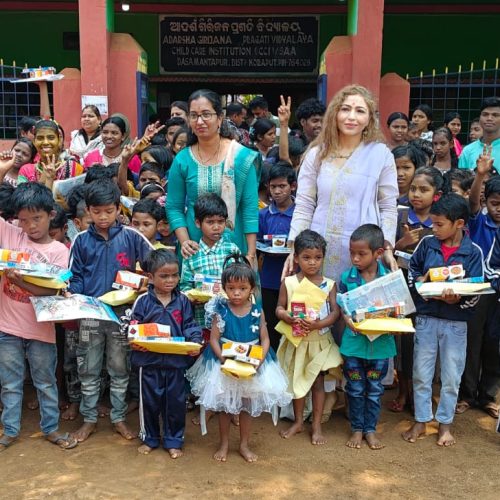
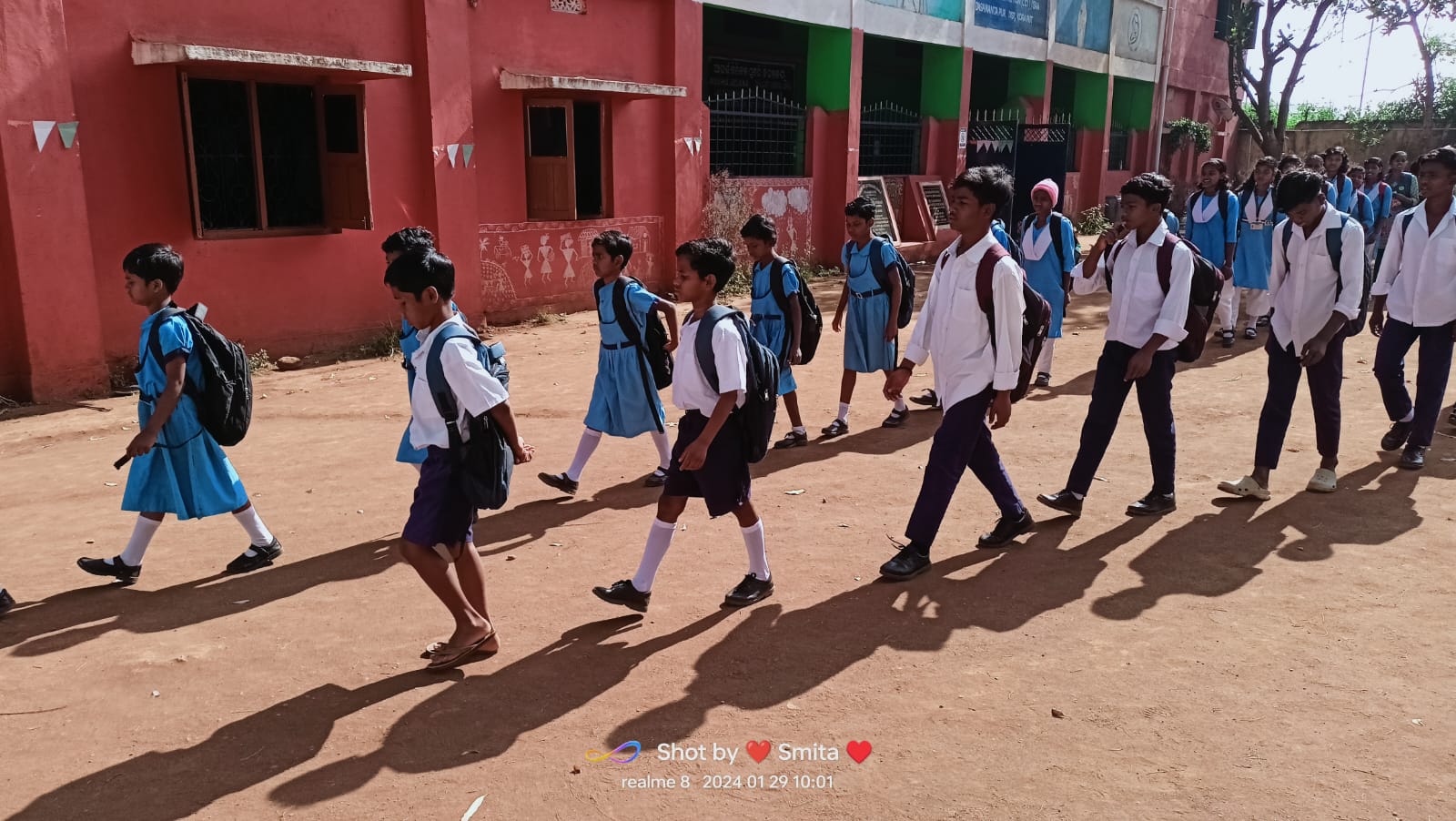
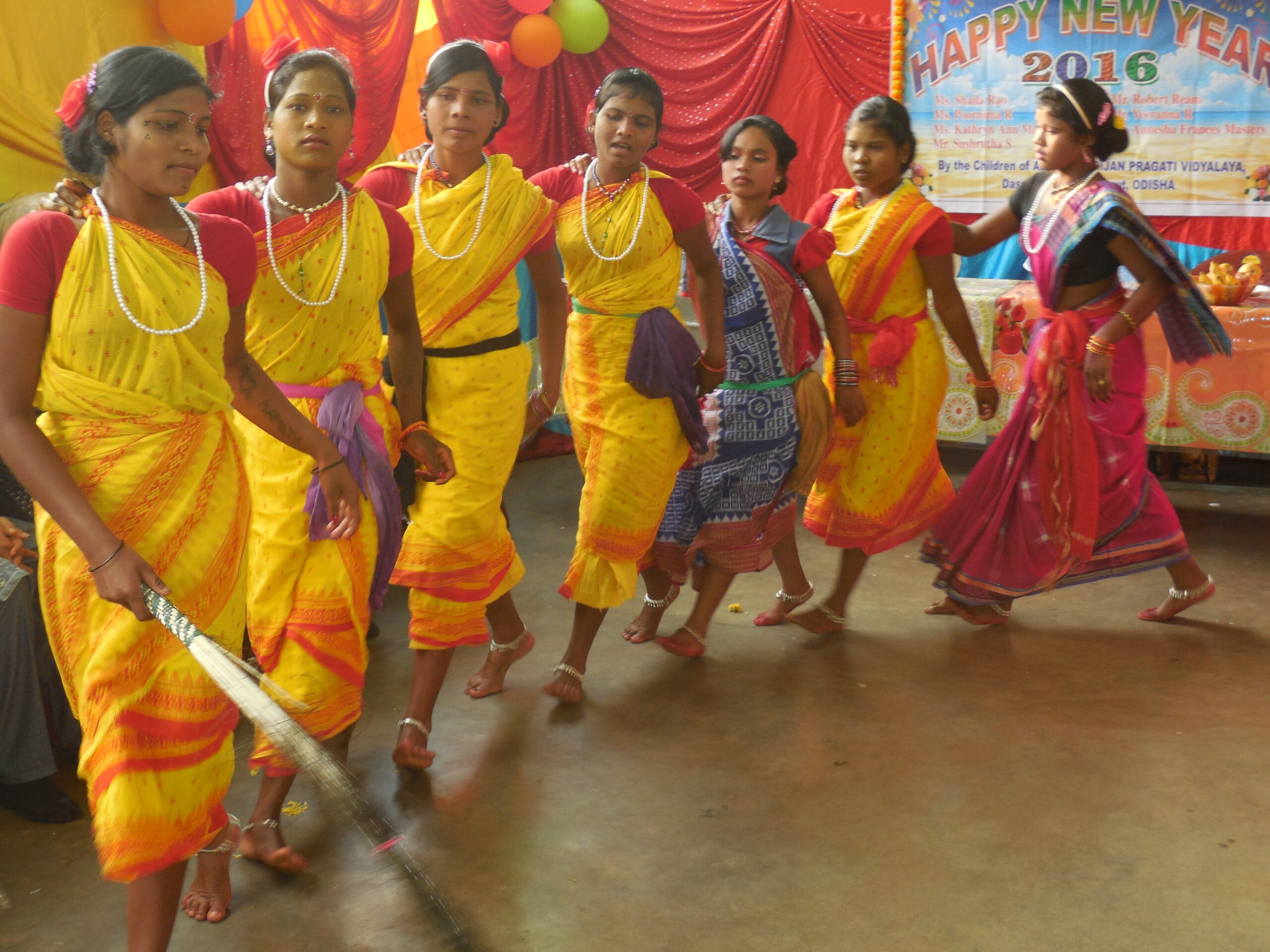
Adarsh Girijan Pragati Vidyalaya is a residential school established at Dasmantpur, Koraput, dedicated to providing a safe, nurturing, and child-friendly environment for orphaned, semi orphaned, and highly vulnerable tribal children. The school ensures access to quality education, nutritious food, healthcare, and holistic development, enabling every child to grow with dignity, confidence, and hope.

The school is recognized by the Government of Odisha as a privately managed school and functions in accordance with the prescribed educational standards and guidelines.

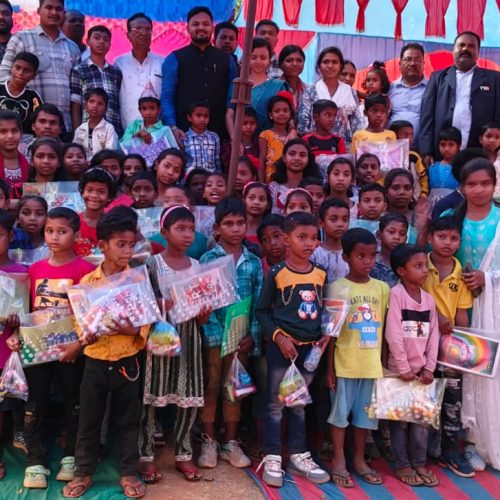
Currently, the school provides residential care and education to 64 children up to Class V. It continues to operate through the generous support and contributions of local communities and the Bhanu Foundation, USA, whose partnership helps sustain a caring environment where disadvantaged children receive the opportunity to learn, thrive, and build a brighter future.
IMG-20260424-WA0085
IMG-20250630-WA0001

Empowering Children Through Care, Education, and Opportunity

Child Sponsorship Program

The Child Sponsorship Program supports 33 vulnerable children up to the age of 18, ensuring they receive access to quality education, nutritious food, healthcare, and essential care needed for their overall growth and development. Through continuous support, the programme helps children overcome hardships, pursue their dreams, and build a brighter and more secure future.

This meaningful initiative is made possible through the generous support of Shared Blessing, USA, whose partnership enables us to provide hope, stability, and opportunities for children from disadvantaged backgrounds.

Restoring the Right of Every Child to a Loving Family

Specialized Adoption Agency (SAA)

With the support of the Department of Women & Child Development, Government of Odisha, IDS operates a recognized Specialized Adoption Agency (SAA) dedicated to the care, protection, and rehabilitation of orphaned, abandoned, and surrendered children who are deprived of parental care.

Through its adoption centres at Koraput and Rayagada district, IDS provides a safe, nurturing, and child-friendly environment with comprehensive care including nutritious food, clothing, healthcare, education, recreation, and emotional support. Beyond institutional care, IDS works to secure a permanent and loving family for every eligible child through in-country and inter country adoption in accordance with the guidelines of the Central Adoption Resource Authority (CARA), Government of India.

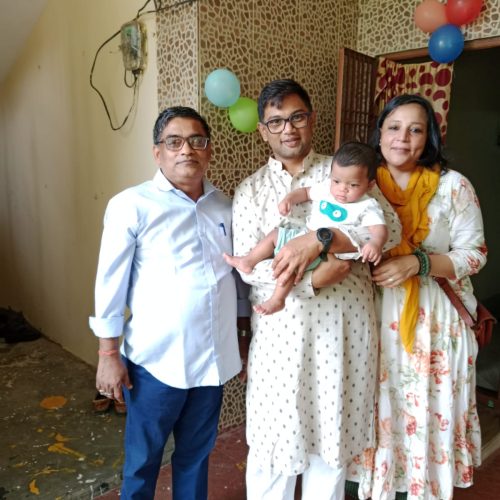
 Since its establishment, IDS has successfully facilitated the adoption of 119 children (as of the end of FY 2024–25) through both domestic (in-country) and inter-country adoption, helping children find loving families and a secure future.

Through this programme, IDS remains committed to ensuring that every child grows with love, protection, dignity, and the opportunity to reach their full potential.

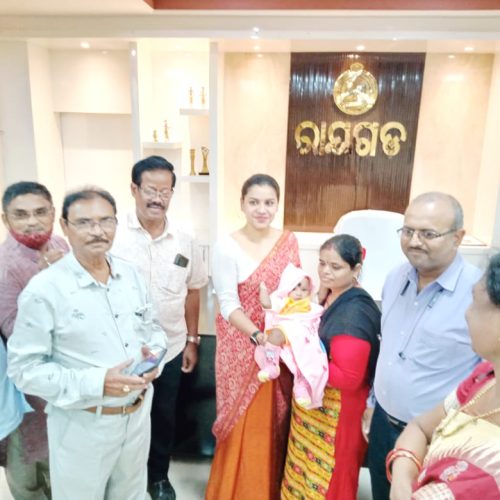
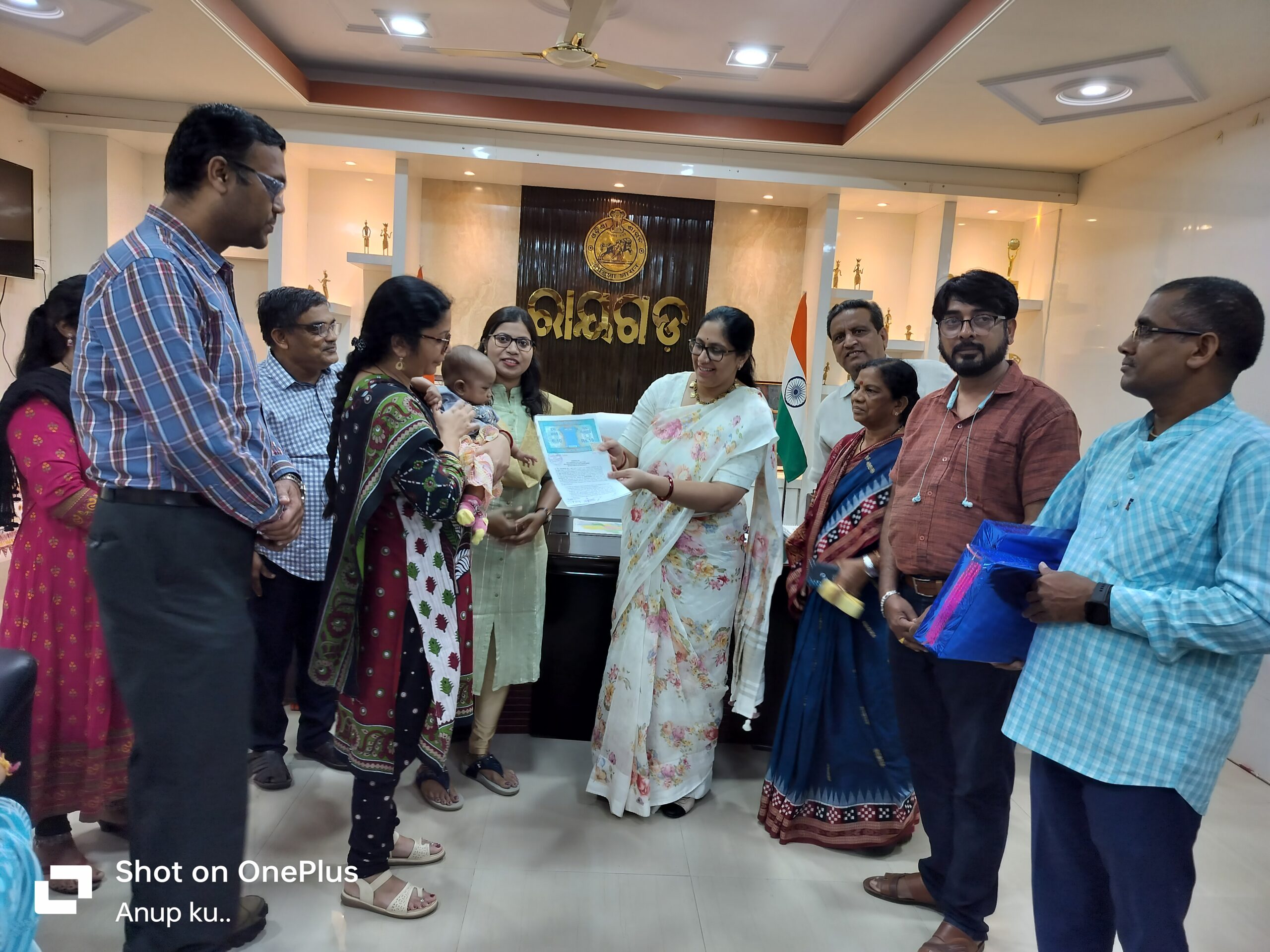
AYUSH-Handed over by Collector-Rayagada
IMG-20260424-WA0015

Providing Protection, Care, and a Nurturing Environment for Vulnerable Children

Child Care Institution (CCI)

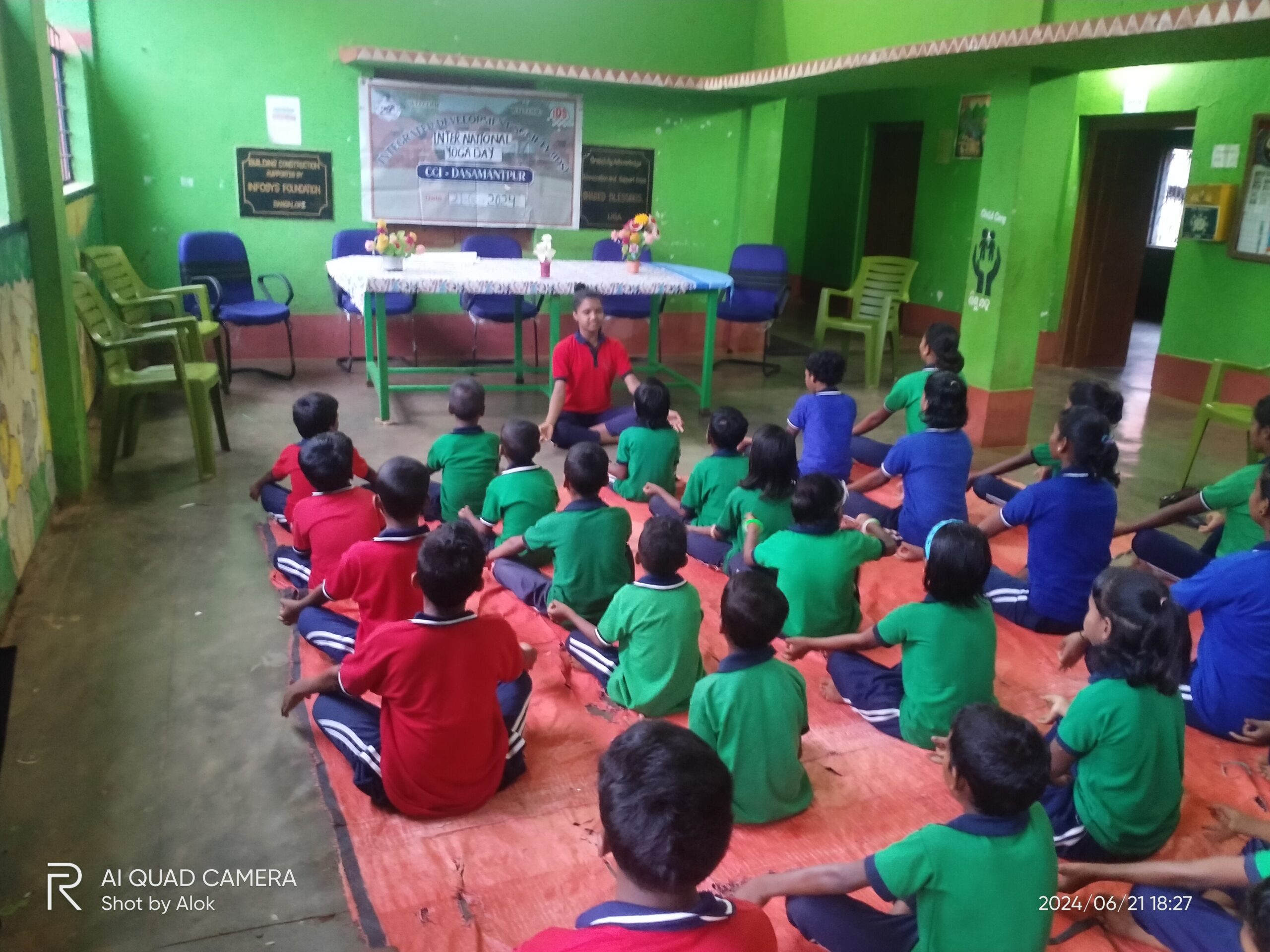
IDS operates a Child Care Institution (CCI) at Dasmantpur, Koraput, recognized by the Department of Women & Child Development, Government of Odisha. The institution provides a safe, secure, and child-friendly home for orphaned, abandoned, surrendered, and children in need of care and protection who are deprived of a family environment.

With a residential capacity of 50 children, the CCI ensures comprehensive care including safe accommodation, nutritious food, clothing, healthcare, education, counselling, recreation, and emotional support. The institution focuses on the holistic physical, emotional, social, and educational development of every child, enabling them to grow with dignity, confidence, and hope.

Guided by the principles of child rights and the best interests of the child, IDS strives to provide not only protection and care but also opportunities for every child to achieve their full potential.

Target constituency (With & for whom we work)

  • Poor, marginalized, disadvantaged, vulnerable and socially excluded communities. 
  • Forest dwellers and forest dependent communities. 
  • Marginal/small farmers and producers 
  • Distressed Migrants  
  • Children with special emphasis to Orphan, Abandoned & Surrendered (OAS) children and, Women & Girls, Adolescents especially at health & economic distress and social risk. 

Child Protection & Development

Child Protection is a fundamental aspect of human rights and social development. It involves creating a safe and supportive environment wherechildren’s physical, emotional and psychological well-being are safeguarded both within the family and the wider community. By prioritizing child protection, IDS invest in building a generation that is healthy, empowered, and capable of contributing positively to the nation’s future. 

Sustainable Livelihood

Sustainable livelihood of IDS focuses on enabling communities to meet their needs without depleting natural resources, ensuring long-term well-being and resilience. It emphasizes the efficient use and management of local resources such as land, water, and forests to sustain income and food security. Integrating climate change adaptation into livelihood practices helps communities cope with environmental challenges. By valuing local knowledge and promoting eco-friendly practices, sustainable livelihoods strengthen both environmental sustainability and economic stability. 

Sustainable Options for Uplifting Livelihood

This programme has been with utmost focus of this program is to increase the income of the vulnerable rural adopting climate resilient land and non land based livelihoods options, improving nutritional condition by accessing safe drinking water, sanitation, hygiene practices and diet diversification. 

Managing local resource to create livelihood opportunities

With a view to address the issues of livelihood & food insecurity manage, local people are facilitated to manage the local resources effectively & judiciously. Water harvesting structures such as: excavations of ponds on the slope land, channeling of water to agriculture land, drip irrigation methods are introduced. Other programmes like: fish farming, slope & upland farming, pond embankment cultivation, cashew plantation and millet cultivation in the upland are undertaken. 

Climate change initiatives

In this regard local farmers are trained on preparation as well as application of organic manure & pesticides. SRI method of cultivation and mixed farming practices are introduced to increase the yield. Farmers are motivated to upscale the traditional millet farming. Energy efficient stoves are promoted in the families on demonstration basis which are very much appreciated by the users. Plantation activities in the schools are undertaken with the involvement of the teachers and the students. 

Community Institution Building

Community institution building strengthens the collective capacity of people to plan, implement, and sustain development initiatives at the grassroots level. Forming and nurturing groups like SHGs, farmers’ clubs, and village committees fosters leadership, accountability, and social cohesion. When these institutions are effectively linked with government welfare schemes through convergence, communities gain better access to resources, entitlements, and services. This synergy enhances the impact of development programs, reduces duplication, and ensures inclusive growth driven by community ownership and participation. 

Management of Self Help Groups

Women Self Help Groups have been promoted in the IDS operational areas covering which are proved to be instrumental for undertaking various income generating programs for contributing significant additional income to their families. Those are making sincere efforts in making liaison with the financial institutions for establishing credit linkages to upscale the activities. 

Converging with Govt. programmes

Excellent rapport has been established with the district/local administration in linking the eligible people/families with various safety-net program of the Govt. (Indira Awasyojana/ JananiSurakshyYojana/ Annapurna Jojana/ AntodayaJojana/ Old age & widow pension etc.). It has also helped the members of the Peoples Organisation to build up their confidence in meeting the Govt. People and to get their work done.

Achievements so far